
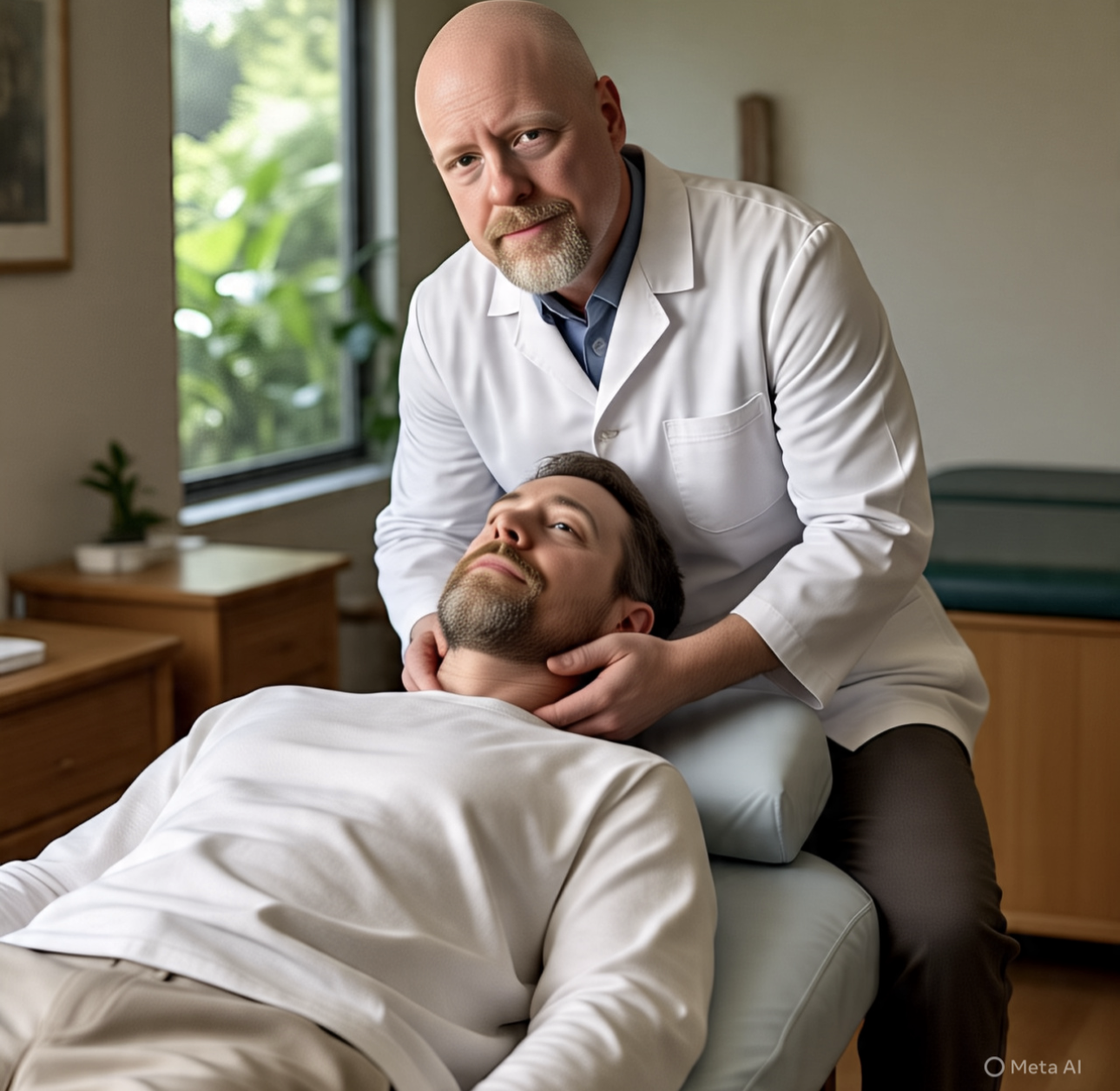
How to Prepare for an OMT Visit in Albuquerque: Symptoms, Goals, and Questions to Bring

Preparing for an osteopathic manipulative treatment (OMT) appointment doesn’t require special equipment or a perfect explanation of your symptoms. A few notes about what you’re experiencing, relevant medical information, and questions you want answered can help make the visit more focused.
OMT is hands-on care provided by a physician trained in osteopathic medicine. It is individualized, and it is not appropriate for every symptom or condition. Your appointment should include time to discuss your health history, understand possible options, and decide together whether treatment makes sense for you.
At ABQ Osteopathic Clinic, Dr. Mark Stevens takes a physician-led, patient-centered approach. He is board certified, attended Touro University–Nevada, completed family medicine residency at Maine-Dartmouth Family Medicine Residency, and has more than 17 years of physician experience, including residency. The clinic reports having served more than 5,000 patients.
Before your appointment: make a symptom snapshot
You don’t need to diagnose yourself. Your observations can help the osteopathic physician Albuquerque patients see understand the concern and decide what further evaluation may be needed.
Write down:
- Onset: When did the symptom begin? Was it sudden or gradual?
- Location and spread: Where do you feel it? Does it travel to another area?
- Pattern: Is it constant or does it come and go? How has it changed over time?
- Triggers and relief: What activities, positions, or times of day make it better or worse?
- Possible injury: Was there a fall, accident, sports injury, repetitive activity, or recent procedure?
- Previous care: What treatments, tests, or therapies have you tried? What helped, did not help, or caused a reaction?
- Effect on daily life: Does it affect sleep, walking, work, exercise, or routine tasks?
Be specific where you can, but don’t worry about having every answer. “My shoulder hurts when I reach overhead, and it started about three weeks ago” is useful information.

Bring relevant records and an up-to-date medication list
Bring a list of prescription medicines, over-the-counter medicines, vitamins, and supplements, including doses if you know them. Do not stop or change prescribed medication to prepare for OMT.
It is also important to share relevant medical history, including previous injuries or surgeries; osteoporosis or a history of fracture; bleeding or clotting conditions; cancer; inflammatory or connective-tissue disorders; pregnancy or possible pregnancy; and any neurological condition. Tell the physician about allergies, implanted devices, and any prior reaction to manual treatment.
If you have recent imaging, test results, specialist notes, or operative reports related to your concern, bring copies or ask how the clinic would like to receive them. You do not need to obtain new tests just for an OMT visit unless a clinician advises you to do so.
Some health conditions or medications may affect whether a specific technique is suitable. Sharing this information allows the physician to consider modifications, other options, or whether treatment should wait.
Wear clothing that lets you move comfortably
Choose clothing that allows you to sit, stand, and move without restriction. Depending on the area being assessed, the physician may need to observe your movement or examine the area directly. You can ask what clothing is appropriate, whether a gown is available, or whether you may keep particular garments on.
You should be able to raise concerns about privacy or comfort. If you feel uncertain about an examination or technique, say so before it begins. You can ask for an explanation, request a pause, decline a technique, or stop at any time. Consent is an ongoing conversation, not a one-time form.
Questions to ask about the examination and treatment
A useful appointment is a conversation, not simply a procedure. Consider bringing a short list of questions:
- What do you think may be contributing to my symptoms?
- What will the examination involve, and why is each part needed?
- Is OMT appropriate for my concern? If so, what is it intended to help with?
- What treatment approaches are you considering, and are there alternatives?
- What are the possible risks or temporary effects of the techniques you recommend?
- Is any technique involving a quick thrust being considered? What are its risks and alternatives?
- What should I expect after treatment, and when should I contact you?
- What goals will we use to decide whether the plan is helping?
- How many visits might be considered before we reassess?
- What is the cost, and what payment options are available?

OMT techniques differ in how they are applied. The physician should explain the approach they propose and why it may fit your situation. If a neck technique is discussed, ask specifically about its potential risks and available alternatives. You do not have to agree to any technique you do not understand or feel comfortable receiving.
Mild soreness or a temporary change in symptoms can occur after hands-on treatment. Your clinician can explain what effects may be expected for the approach being considered and what symptoms should prompt a call or medical evaluation. Research on OMT and manual therapies varies by condition and study; outcomes are not guaranteed. A review of systematic reviews on OMT describes both evidence and limitations in the available research. Read the review.
Set a practical goal for your care
A helpful goal is concrete and connected to your daily life. For example: “I’d like to sit through a work meeting more comfortably,” or “I want to understand what movements I can do safely.” Goals do not need to be pain-free or ambitious to matter. They help you and your physician review whether the plan is useful and when it may need to change.
Pain is real, and it is not your fault. Stress, sleep, and the nervous system’s state can influence how pain is experienced, alongside physical and medical factors. Paying attention to these connections can be part of a whole-person conversation without suggesting that thoughts cause an injury or that symptoms are “all in your head.” The Hermetic principle of mentalism, described in The Kybalion, can be treated as a philosophical prompt to reflect on how the mind shapes experience, not as medical evidence or a substitute for examination and care.
Dr. Stevens’ training includes family medicine, integrative medicine, osteopathic manipulative medicine, and hypnosis. At ABQ Osteopathic Clinic, the aim is a collaborative journey: talk through your concerns, consider the options, and make decisions together.
Know when not to wait for a routine appointment
Seek prompt medical evaluation rather than waiting for an OMT appointment if you have new or worsening significant weakness, difficulty walking, numbness around the groin or saddle area, loss of bladder or bowel control, or difficulty starting urination. These symptoms can require urgent assessment.
Severe pain after major trauma, pain with fever or feeling seriously unwell, or new symptoms in someone with a history of cancer also warrant prompt medical advice. Call emergency services for chest pain, trouble breathing, or sudden stroke-like symptoms such as facial drooping, arm weakness, difficulty speaking, sudden vision changes, or severe unusual dizziness.
This list cannot cover every emergency. If symptoms feel severe, rapidly worsening, or alarming, seek urgent care.
Ask about fees before booking
ABQ Osteopathic Clinic is a direct-pay practice and does not accept insurance. Ask the clinic for current fees before scheduling and confirm what a visit includes. The clinic also states that it does not prescribe controlled substances, including narcotics. You can review the clinic’s about page and contact information for more details. Appointments are required; the clinic does not accept walk-ins.
For more on the clinic’s payment approach, see its article on insurance and OMT.
A simple checklist to bring
Before you leave home, check that you have:
- Notes on symptom onset, location, pattern, triggers, prior injury or treatment, and daily impact
- A current medication and supplement list
- Relevant records or imaging, if available
- Comfortable clothing
- Your goals and questions
- A plan to ask about treatment options, consent, follow-up, and fees
Good preparation doesn’t mean knowing what treatment you need. It means giving your physician the information to assess your concern, explain the choices, and decide with you what the next step should be. For appointment questions, contact ABQ Osteopathic Clinic in Albuquerque.